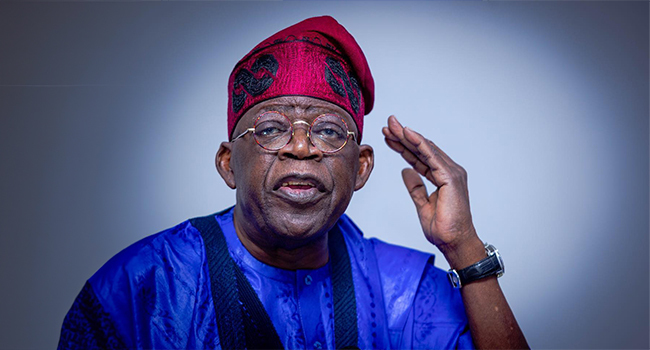
President Bola Tinubu's significant state visit to the Republic of Turkey, which commenced on January 26, marked a pivotal moment in Nigeria's foreign policy and its commitment to strengthening bilateral relations with key global partners. This high-stakes diplomatic engagement was meticulously planned to build upon existing foundations and unlock new avenues for cooperation across a spectrum of vital sectors. Far from being a mere ceremonial trip, this visit underscored Nigeria's proactive approach to international diplomacy, aiming to secure tangible benefits in security, economic development, and technological advancement. When a state visit today is announced, it carries immense weight, signaling strategic alignment and a commitment to shared futures; President Tinubu's journey was no exception, promising profound implications for both Abuja and Ankara.
Deepening Bilateral Ties: A Strategic Imperative
The core objective of President Tinubu’s mission to Turkey was unambiguous: to deepen the robust ties between the two nations. This visit was not an isolated event but a strategic follow-up to the official trip of Turkish President Recep Tayyip Erdoğan to Nigeria in October 2021, which had already laid significant groundwork for enhanced diplomatic engagement. The reciprocal nature of these high-level visits demonstrates a sustained commitment from both leaderships to foster a relationship built on mutual respect and shared interests.
The discussions between President Tinubu and his Turkish counterpart were comprehensive, encompassing critical areas such as finance, communications, trade, and investment. These sectors are the bedrock of any thriving international partnership, and the focus on them highlights a mutual desire to foster sustainable economic growth. Beyond the economic sphere, the agenda extended to vital areas like security, education, social development, innovation, and aviation. For Nigeria, a nation actively addressing diverse internal challenges and pursuing ambitious development goals, such a multi-faceted partnership with a technologically advanced and strategically located country like Turkey is invaluable. It represents a concrete step towards diversifying Nigeria's international collaborations and leveraging global expertise for national development. For a deeper dive into the diplomatic nuances, explore Nigeria-Turkey Diplomacy: High-Level Talks and Economic Growth.
Economic Catalysts: Trade, Investment, and Innovation
A cornerstone of President Tinubu's visit was the emphasis on economic cooperation, designed to translate diplomatic goodwill into tangible prosperity. A highly anticipated Nigeria–Turkey business forum was convened on the sidelines of the state visit, drawing together investors and entrepreneurs from both countries. This forum served as a critical platform for identifying untapped opportunities, fostering partnerships, and encouraging cross-border investments aimed at expanding trade volumes and spurring mutual economic growth. The aim was not just to facilitate trade, but to forge sustainable economic relationships that benefit industries and create jobs in both nations.
The practical outcomes of these economic deliberations were solidified through the signing of several memoranda of understanding (MoUs). These agreements spanned a wide array of sectors, including scientific research, energy, technical cooperation, and media and communications. For instance, MoUs in scientific research could pave the way for joint ventures in cutting-edge fields like biotechnology or artificial intelligence, fostering knowledge transfer and innovation. Energy agreements might unlock new avenues for investment in renewable energy projects in Nigeria, leveraging Turkey's experience in sustainable power solutions. Technical cooperation MoUs could translate into capacity building and skill development programs, empowering Nigeria's workforce with specialized expertise.
Practical Insights for Businesses:
- Market Exploration: Nigerian businesses should explore Turkish markets for agricultural products, textiles, and raw materials, while Turkish investors might find opportunities in Nigeria's burgeoning tech, energy, and infrastructure sectors.
- Leverage MoUs: Keep an eye on the specific details of the signed MoUs. These often highlight priority sectors and potential government support for related ventures.
- Networking: Participation in bilateral business forums, like the one held during the visit, is crucial for establishing contacts and understanding market dynamics.
- Digital Economy: Given the global emphasis on innovation, focus on digital solutions, e-commerce, and fintech as areas ripe for joint ventures.
The emphasis on innovation, mirroring themes seen in other significant global diplomatic engagements, suggests a shared vision for future-proofing economies through technology and forward-thinking policies. This strategic focus ensures that the economic partnership is not just about traditional trade but also about preparing for the industries of tomorrow. Further insights into these economic avenues can be found in Tinubu's Turkey Trip: Unlocking New Trade & Security Opportunities.
Fortifying Security and Development Pathways
Security cooperation emerged as a critical pillar of the discussions, a testament to the shared understanding of global and regional challenges. The signing of an MoU on military collaboration is particularly significant. Turkey has garnered international recognition for its advanced defence industry, particularly in drone technology and armored vehicles. For Nigeria, grappling with complex security issues ranging from insurgency to banditry, access to Turkish expertise, technology transfer, and joint training initiatives could prove transformative. This partnership signifies a commitment to enhancing Nigeria's defence capabilities and fostering regional stability.
However, the visit extended far beyond military matters. The comprehensive Nigerian delegation underscored a holistic approach to bilateral relations. Accompanying President Tinubu were:
- The Minister of Foreign Affairs, Yusuf Tuggar
- The Attorney General of the Federation and Minister of Justice, Lateef Fagbemi, SAN
- The Minister of Defence, General Christopher Musa (rtd)
- The Chairman of the House Committee on Defence, Jimi Benson
- The Minister of Women Affairs and Social Development, Hajiya Suleiman-Ibrahim
- The Minister of Interior, Olubunmi Tunji-Ojo
- The Minister of Culture and Creative Economy, Hannatu Musawa
- The National Security Adviser, Malam Nuhu Ribadu
- The Director-General of the National Intelligence Agency, Mohammed Mohammed
The diverse composition of this delegation—spanning justice, social development, women's affairs, culture, and internal security—highlights Nigeria's intent to engage Turkey across the entire spectrum of governance and societal development. This indicates a focus not just on high-level strategy but also on practical solutions for citizens. For instance, collaboration in social development and women's affairs can lead to sharing best practices in poverty alleviation, gender empowerment, and community building programs. Similarly, cultural exchanges can foster greater understanding and appreciation between the peoples of both nations, laying a stronger foundation for long-term diplomacy.
The Broader Geopolitical Canvas
President Tinubu's state visit to Turkey must be viewed within the larger context of Nigeria's evolving foreign policy and its ambition to assert itself as a significant player on the global stage. By actively engaging with countries like Turkey, Nigeria demonstrates a commitment to diversifying its international partnerships beyond traditional alliances, aligning with a strategy to explore opportunities across the global South. Turkey, with its strategic location at the crossroads of Europe and Asia, and its growing influence in Africa, serves as an ideal partner for this vision.
This visit, much like other high-profile diplomatic engagements of our time, such as President Biden's focus on innovation during his Australia state visit, underscores a global trend: nations are seeking partners who can contribute to long-term strategic objectives beyond immediate political concerns. Whether it’s critical minerals, cybersecurity, or advanced infrastructure projects, the emphasis is on collaborative solutions to shared challenges. For Nigeria, partnering with Turkey presents an opportunity to access advanced technologies, diverse markets, and strategic expertise that can accelerate its development trajectory and strengthen its geopolitical standing. It’s about creating a multi-polar world where Nigeria can leverage diverse relationships to achieve its national interests.
Future Outlook and Actionable Steps:
- Policy Alignment: Both nations should continue to align their foreign policy objectives on regional and global issues, such as counter-terrorism, climate change, and multilateralism.
- Youth Engagement: Foster exchange programs for students and young professionals to build long-term people-to-people connections and shared understanding.
- Cultural Diplomacy: Promote cultural festivals, arts exhibitions, and media collaborations to bridge cultural gaps and enhance mutual appreciation.
- Monitoring Progress: Establish clear metrics and regular review mechanisms for the MoUs to ensure their effective implementation and tangible outcomes.
In conclusion, President Bola Tinubu's state visit to Turkey was more than a diplomatic formality; it was a powerful statement of intent. By deepening cooperation across critical sectors like security, economy, and innovation, Nigeria and Turkey are not just strengthening their bilateral ties but are actively shaping a future of shared prosperity and mutual strategic advantage. The visit has laid robust groundwork for a partnership that promises to yield significant benefits for the citizens of both nations, demonstrating the profound impact a well-executed state visit today can have on tomorrow's global landscape. As these agreements mature and collaborations deepen, the world will watch as Abuja and Ankara forge an increasingly formidable alliance.