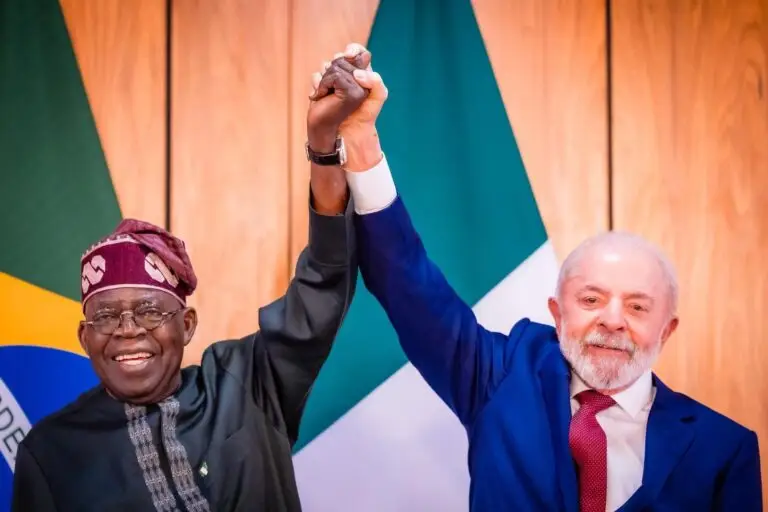
Tinubu's Turkey Trip: Unlocking New Trade & Security Opportunities
In a significant diplomatic move, President Bola Tinubu recently embarked on a crucial state visit to the Republic of Turkey, marking a pivotal moment in Nigeria's foreign policy and international relations. This high-stakes engagement, initiated on January 26, 2024, was far more than a ceremonial exchange; it represented a strategic push to deepen multifaceted cooperation between two influential emerging economies. The reverberations of this State Visit Today are expected to resonate across various sectors, promising a new era of collaboration in trade, security, innovation, and social development.
Building on the foundations laid by Turkish President Recep Tayyip Erdoğan's visit to Nigeria in October 2021, President Tinubu's trip sought to operationalize and expand the diplomatic goodwill into tangible bilateral agreements. The extensive agenda, encompassing high-level political talks, diplomatic engagements, and a dedicated business forum, underscores Nigeria's commitment to forging robust partnerships that can contribute to its economic resurgence and national security objectives.
A New Chapter in Nigeria-Turkey Relations: Beyond Diplomacy
The relationship between Nigeria and Turkey has evolved significantly over the past decade, moving from nascent interactions to a more strategic partnership. President Tinubu's state visit is a testament to this maturation, aiming to cement a collaborative framework that addresses shared challenges and harnesses mutual strengths. The breadth of the Nigerian delegation itself speaks volumes, including key ministers from Foreign Affairs, Defence, Justice, Interior, and Commerce, alongside the National Security Adviser and intelligence chiefs. This composition signals a comprehensive approach, where every aspect of the bilateral relationship, from legal frameworks to security intelligence, is being meticulously addressed.
The emphasis on deepening cooperation across sectors like education, social development, and aviation highlights a holistic vision. It's not merely about transactional agreements but about fostering sustainable growth and knowledge transfer. For instance, in education, partnerships could lead to student exchange programs, joint research initiatives, and capacity building for educators, drawing on Turkey's advancements in specific scientific and technological fields. Similarly, in social development, sharing best practices in poverty alleviation, women's empowerment, and youth engagement could yield significant dividends for both nations. This robust diplomatic push is a clear indicator of Nigeria's intent to diversify its international alliances and leverage global partnerships for domestic progress. For more insights into the diplomatic intricacies, consider reading our detailed analysis on Nigeria-Turkey Diplomacy: High-Level Talks and Economic Growth.
Catalyzing Economic Growth: Trade, Investment, and Innovation
Perhaps the most anticipated outcome of the state visit revolves around economic cooperation. Nigeria, Africa's largest economy, offers a vast market and abundant resources, while Turkey boasts a dynamic industrial base, advanced infrastructure, and a strategic location bridging Europe and Asia. The synergy between these two economies presents immense opportunities for mutual growth.
The Business Forum: A Bridge for Bilateral Prosperity
A cornerstone of the visit was the Nigeria–Turkey business forum, designed to be a vibrant platform for investors from both countries to explore concrete opportunities. This forum is crucial for translating high-level discussions into on-the-ground investments and expanded trade volumes. Key sectors ripe for collaboration include:
- Energy: From renewable energy projects to oil and gas infrastructure development.
- Agriculture: Turkish expertise in modern farming techniques, processing, and machinery can boost Nigeria's food security and export potential.
- Manufacturing: Partnerships in light manufacturing, textiles, and construction materials could lead to job creation and industrial diversification in Nigeria.
- Infrastructure: Turkish companies have a strong track record in developing roads, bridges, and housing projects, which aligns with Nigeria's infrastructure deficit.
- Digital Economy & Innovation: Collaboration in telecommunications, fintech, and e-governance, leveraging Turkish innovation in these rapidly evolving fields.
Practical Tip for Businesses: Nigerian and Turkish enterprises should actively engage with the outcomes of this forum. Accessing the signed Memoranda of Understanding (MoUs) and seeking out specific government-backed initiatives can provide a roadmap for exploring investment and trade possibilities. Networking with delegates and business associations involved in the forum is also invaluable.
Diversifying Nigeria's Economic Horizons
The MoUs signed during the visit—spanning scientific research, energy, technical cooperation, finance, and communications—are foundational to this economic expansion. For Nigeria, this partnership offers a chance to diversify its economy away from an over-reliance on oil, attracting foreign direct investment (FDI) into non-oil sectors. Turkey, in turn, gains access to a significant African market and a reliable partner in a strategically important region. This proactive approach to economic diplomacy showcases Nigeria's intent to become a key player in global trade networks, leveraging partnerships like this to drive sustainable development.
Fortifying Security and Strategic Partnerships
Security cooperation was a paramount item on the agenda, reflecting the shared global challenges of terrorism, regional instability, and evolving threats. The inclusion of Nigeria's Minister of Defence, General Christopher Musa (rtd), and the National Security Adviser, Malam Nuhu Ribadu, underscores the seriousness with which both nations approach this aspect of their relationship.
Military Collaboration and Regional Stability
The signing of an MoU on military collaboration is a significant step. Turkey has emerged as a significant player in the global defence industry, known for its drone technology, armoured vehicles, and naval capabilities. This partnership could involve:
- Capacity Building: Joint training programs, exchange of military personnel, and expertise sharing in areas like counter-insurgency and intelligence gathering.
- Defence Technology Transfer: Opportunities for Nigeria to acquire or co-produce Turkish defence equipment, enhancing its capabilities in tackling internal security challenges and contributing to regional stability.
- Counter-Terrorism: Enhanced intelligence sharing and coordinated strategies to combat extremist groups, a threat common to both regions.
Analysis: For Nigeria, strengthening its defence capabilities through international partnerships is crucial for addressing insecurity in the North-East, banditry in the North-West, and piracy in the Gulf of Guinea. This collaboration with Turkey offers a valuable avenue for modernizing its military and improving operational effectiveness.
Beyond Defence: Holistic Security Dimensions
Security extends beyond conventional military cooperation. The discussions likely touched upon broader aspects of national security, including cybersecurity, border management, and addressing the socio-economic root causes of conflict. MoUs in media and communications can also play a role in countering misinformation and improving public awareness campaigns related to security. This comprehensive view aligns with global best practices for achieving lasting peace and stability. The entire visit contributes to Tinubu's Turkey State Visit: Strengthening Nigeria-Turkey Ties across all critical domains.
The Broader Implications: A Blueprint for Global Engagement
President Tinubu's Turkey trip serves as a powerful illustration of Nigeria's renewed commitment to active and strategic global engagement. By seeking partnerships with diverse nations like Turkey, Nigeria aims to enhance its influence on the international stage, attract crucial investments, and bolster its security architecture. The comprehensive nature of the delegation and the wide array of signed agreements indicate a well-thought-out strategy to unlock new opportunities across various sectors.
This visit is not merely about immediate gains but about laying the groundwork for a long-term, mutually beneficial relationship. It provides a blueprint for how Nigeria intends to pursue its foreign policy objectives—through proactive diplomacy, economic engagement, and strategic security collaborations. The successful implementation of the signed MoUs and the sustained engagement of the business communities will be key to realizing the full potential of this strengthened partnership.
In conclusion, President Tinubu's state visit to Turkey represents a pivotal moment in Nigeria's pursuit of a more prosperous and secure future. By fostering deeper cooperation in trade, investment, security, and innovation, this diplomatic initiative is poised to yield significant benefits for both nations, charting a course for robust bilateral relations and setting a precedent for Nigeria's assertive role in global diplomacy. The outcomes of this historic State Visit Today will undoubtedly contribute to Nigeria's ongoing efforts to diversify its economy, enhance its security capabilities, and solidify its position as a key player on the African and global stages.